What is COP?
What is COP26?
COP26 is the 26th iteration of the Conference of the Parties (COP) to the UN Framework Convention on Climate Change (UNFCCC). This annual meeting brings together the 197 members of the convention to take concerted action on climate change.
At the meeting, country representatives discuss issues such as climate change mitigation (the reduction of greenhouse gas emissions that cause the planet to warm), adaptation to irreversible environmental impacts caused by climate change, and financing to support developing countries in their efforts to move away from fossil fuels and become more resilient to the impacts of climate change.

Why COP26 means that public engagement matters more than ever before?
The goal of keeping warming to 1.5C is still alive, but it’s on life support. And going forwards requires hope. So where is hope to be found? It has to be in the rising tide of concern about climate change around the world, and people’s desire to show up and be part of the solution.
The media loves drama, and over the years many of the 26 COPs have delivered. The Glasgow talks fulfilled the brief, encompassing last minute negotiations, deadlines, tears and arguments over the exact textual meaning of ‘requests’ vs ‘urges’.
But Glasgow was different to many previous COPs in one key way: we are now in the era of delivery and not promises. Arguments over targets and negotiation texts can only get us so far. You can hear it in the restlessness of protestors outside the conference fence, you can hear it in the determination of young climate justice campaigners to make their voices heard, you can hear it in the words of delegates from the global south where rising temperatures are already hitting livelihoods and lives. There is an increasing impatience pressing at the gates. The question they are asking: ‘but what are we actually doing?’
The answer lies with not only with Governments and Authorities but also with us individually!
Ask what can I do?
We must all make lifestyle changes
The way we travel, the food we eat and the way we use energy at home are everyday behaviours that are critical for making progress on carbon emissions but have proven stubbornly resistant to change. Tackling climate change means different ways of living and engaging with the world around us, and talking about climate change with our peers.
Explore our work around how to mainstream low-carbon lifestyles and how to have meaningful climate conversations with our peers – a key part of social change.
Lifestyle changes
Behaviour change
Reducing emissions means globally coordinated systemic solutions, but also profound changes to people’s day-to-day lives – particularly in rich, high-emission countries. While behaviours are starting to shift, low-carbon lifestyles are very far from being the norm.
Lifestyle changes
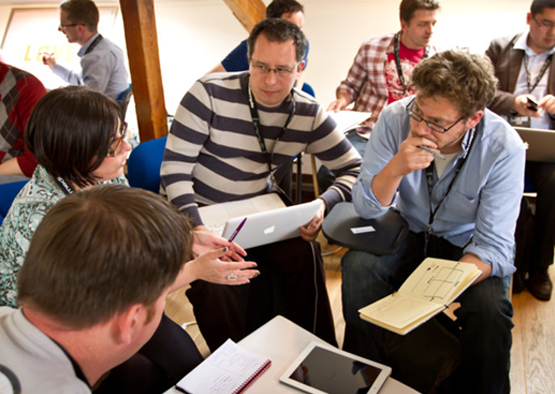
Talking and discussing changes in lifestyle to effect climate change
We are deeply influenced by the conversations we have with our peers. Talking about climate change with our family and friends is a crucial part of making change. Explore our guidance for how to have climate conversations that will leave you feeling inspired and connected.